
The TruWatch Fire Safety Guide
Where fire and smoke detection actually belong in your home
Most homes are protected by smoke alarms alone — and smoke alarms are excellent at their job everywhere except the rooms where they struggle most. This guide walks through NFPA 72’s room-by-room guidance, how much time a real fire leaves you, and how to build an escape plan around it.
How much time do you have to escape a house fire?
Often as little as one to two minutes — the gap between a smoke alarm sounding and a fire becoming deadly has shrunk as modern furnishings burn faster than older materials. Early detection and a practiced two-minute escape plan are what actually buy a family time.
Room-by-room: smoke alarm or heat detector?
NFPA 72 draws a clear line: bedrooms and hallways need smoke alarms; the kitchen, garage, attic, and furnace room are better served by heat detection, because the conditions in those rooms — steam, exhaust, dust, temperature swings — routinely trigger nuisance alarms or dull a smoke sensor over time.
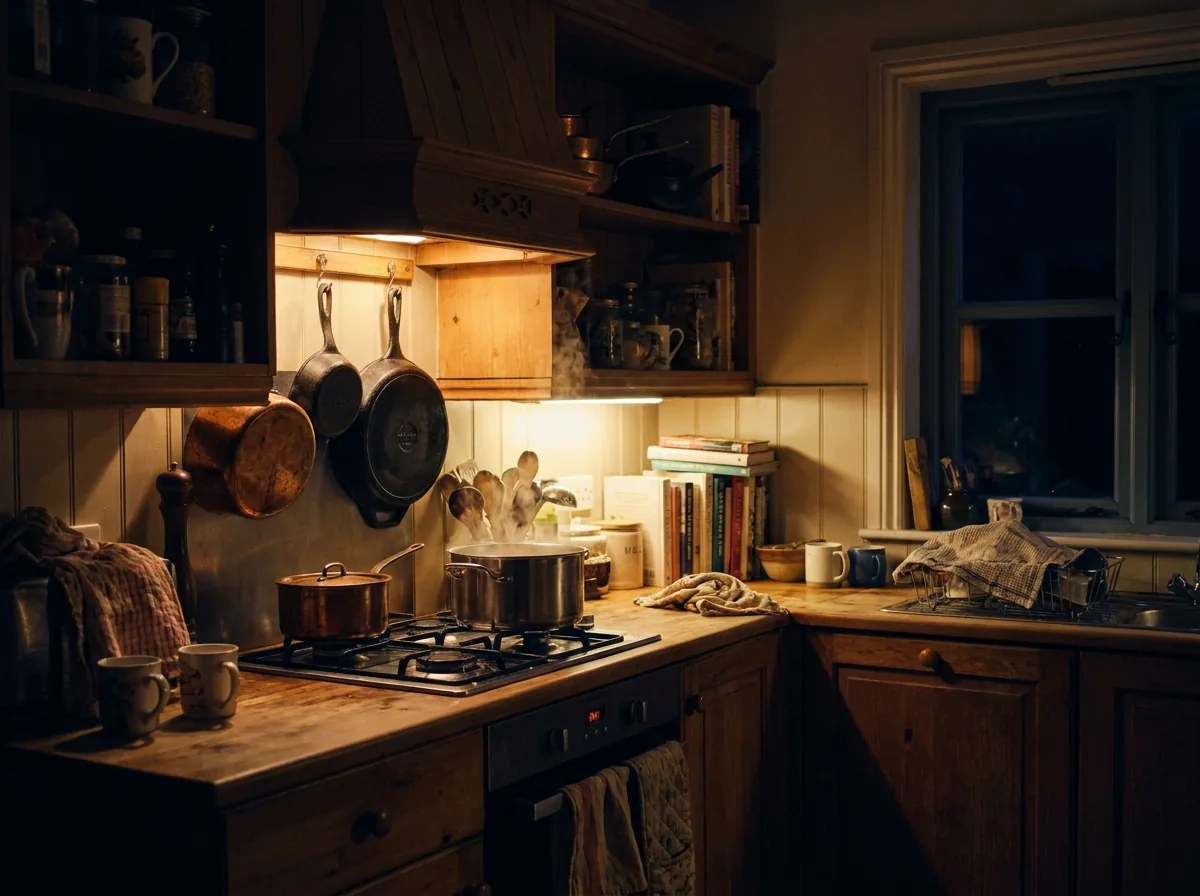
Kitchen
Cooking steam and smoke are a leading cause of nuisance smoke alarms.

Garage
Exhaust fumes, dust, and temperature swings make smoke sensing unreliable.
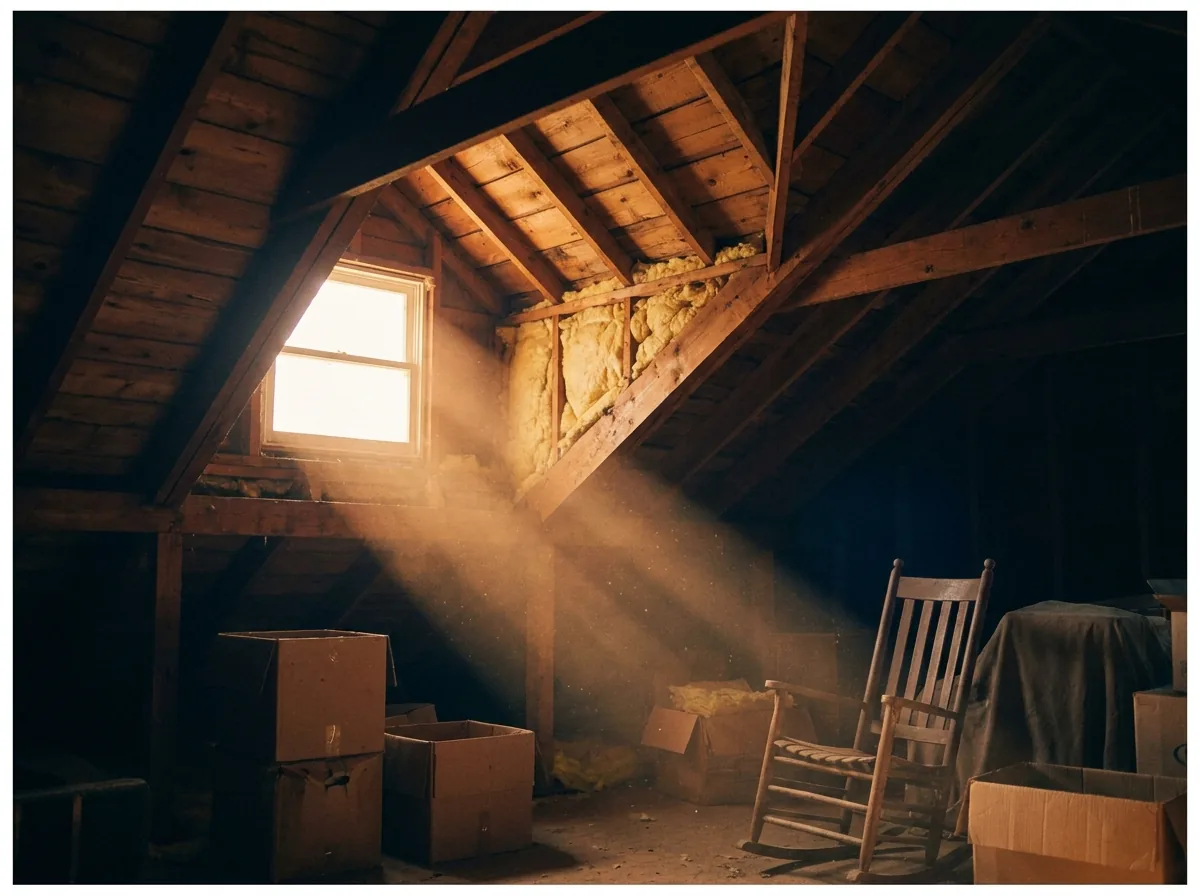
Attic
Dust and extreme seasonal temperature swings are common false-alarm triggers for smoke sensing.
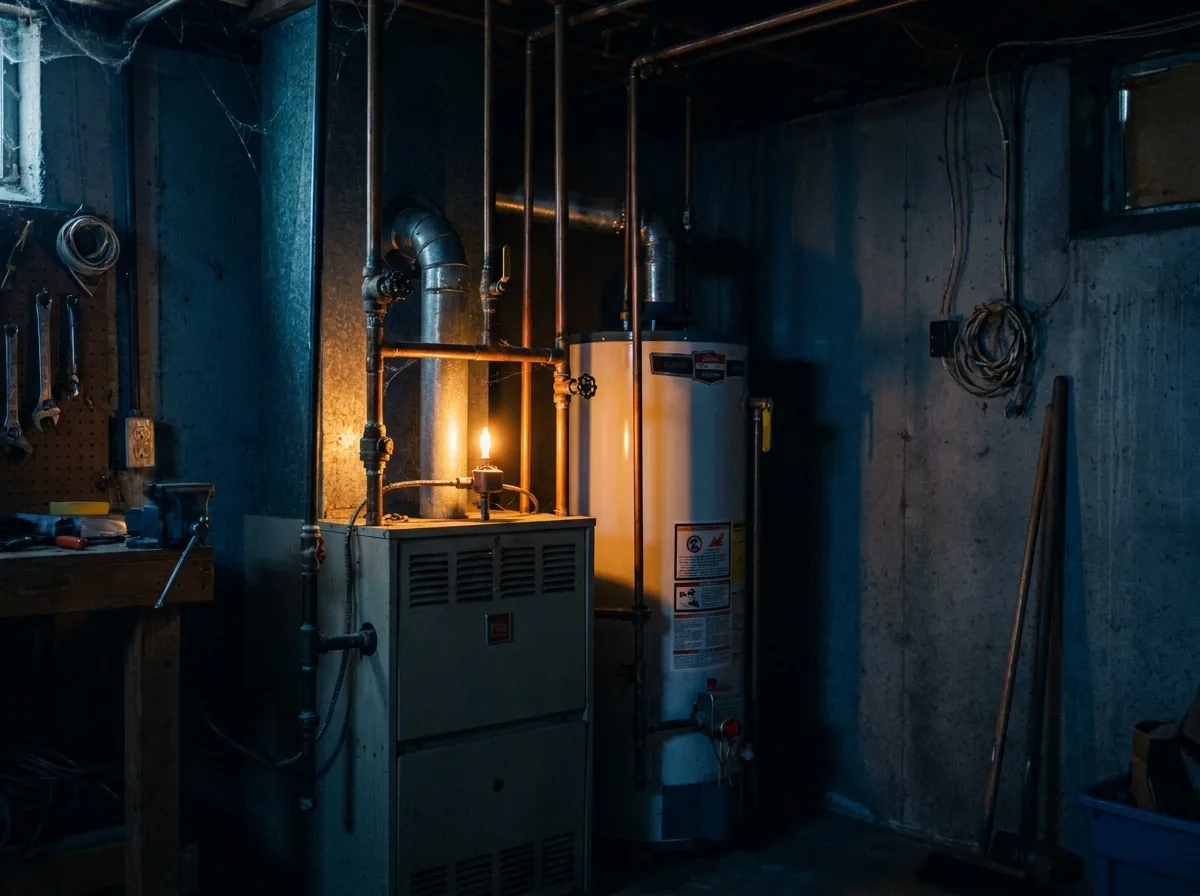
Furnace / Utility Room
Combustion byproducts from fuel-burning equipment affect smoke-sensing accuracy.
Smoke alarm
Bedrooms & hallways
NFPA 72 calls for smoke alarms inside every bedroom (new construction) and outside each sleeping area, where adopted by local code — these are the spaces where early smoke detection matters most for waking a sleeping family.
Heat detector
Kitchen
Cooking steam and smoke are a leading cause of nuisance smoke alarms. NFPA 72 recommends heat detection here instead.
Heat detector
Garage
Exhaust fumes, dust, and temperature swings make smoke sensing unreliable. NFPA 72 doesn't require a smoke alarm in the garage, but supports heat detection there.
Heat detector
Attic
Dust and extreme seasonal temperature swings are common false-alarm triggers for smoke sensing.
Heat detector
Furnace / utility room
Combustion byproducts from fuel-burning equipment affect smoke-sensing accuracy.
Smoke alarm
Living areas & basement
NFPA 72 calls for a smoke alarm on every level of the home, including the basement.
Heat detector vs. smoke alarm, at a glance
| Smoke alarm | Heat detector | |
|---|---|---|
| Senses | Smoke particles (photoelectric optics) | A fixed temperature rise (117°/136°/175°F) |
| Power | Battery or hardwired | None — all-metal mechanical, no batteries or electricity |
| NFPA 72 placement | Bedrooms, hallways, every level (required where adopted) | Kitchen, garage, attic, furnace room (recommended) |
| Nuisance alarms | Prone to false alarms from steam, dust, exhaust in the wrong room | By design, is unaffected by smoke, steam, or dust — responds only to real heat |
Read the full comparison in heat detector vs. smoke alarm.
Build a two-minute escape plan
Detection only buys time if your family knows what to do with it. Walk the home and identify two ways out of every bedroom — a door and a window at minimum. Agree on an outside meeting spot everyone can reach without going back inside, and practice the plan at least twice a year, including at night. If an upstairs bedroom’s only second exit is a window, a stored escape ladder closes that gap.
Frequently asked questions
How many smoke alarms do I need in my home?
NFPA 72 sets the minimum, where adopted by local code: outside each sleeping area and on every level of the home, including the basement. New construction codes typically call for one inside each bedroom as well. Most homes benefit from a few more near dining rooms and utility spaces.
Where should smoke alarms be placed?
Inside each bedroom (new construction), outside each sleeping area, and on every story of the home. Avoid placing standard smoke alarms in kitchens, attics, and garages — those rooms are better served by a heat detector, which a trained consultant can walk you through room by room.
What are the two types of home fires?
Home fires generally fall into two types: fast, high-heat flaming fires and slow, smoldering fires — both produce smoke and toxic gases, but they develop at very different speeds. Combining photoelectric smoke sensing with mechanical heat detection is how a home gets meaningful coverage against both.
How much time do I have to escape a house fire?
Often as little as one to two minutes — the gap between a smoke alarm sounding and a fire becoming deadly has shrunk as modern furnishings burn faster than older materials. Early detection and a practiced two-minute escape plan are what actually buy a family time.
Why is carbon monoxide dangerous, and do I need a CO alarm?
According to the CDC, carbon monoxide is invisible and odorless, and it causes an estimated 500 deaths and 15,000+ emergency-room visits a year in the U.S. Any home that burns gas, oil, or wood should have CO detection, and a growing number of states now require it by law.